
A child can read the classroom board and still have a vision issue. One eye may be working much harder than the other, near focusing may be uncomfortable, or a prescription may be changing. School screenings are useful for identifying some problems, but they do not replace a comprehensive eye exam.
When should my child be examined?
Professional schedules vary by age, risk factors, and local guidance. In general, an infant should have an eye assessment in the first year, children should be examined before school, and school-age children need periodic exams even if they do not complain. Children who wear glasses, have a family history of eye disease or significant myopia, or have symptoms may need more frequent visits. Your optometrist can give a specific interval after seeing your child. If a pediatrician notices an abnormal red reflex, a crossed eye, or another concern, follow the recommended referral promptly.
Why do children rarely say they see poorly?
A child’s current vision is normal to them. They may move closer to a screen, tilt their head, squint, avoid reading, lose their place, or report headaches. A child with one well-seeing eye may not notice that the other sees less clearly. Parents and teachers may observe behavior before the child describes a problem. These signs do not prove an eye disorder, but they justify checking.
What does a pediatric eye exam include?
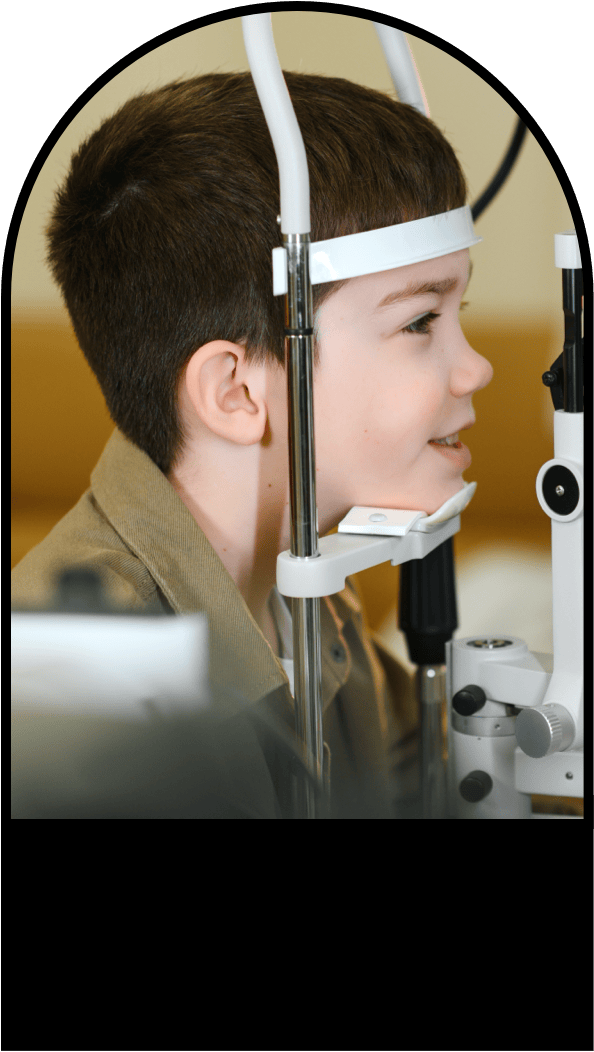
The clinician chooses age-appropriate ways to measure vision and focusing, checks how the eyes align and work together, assesses the prescription, and evaluates eye health. Young children do not need to know letters for every part of an exam. Sometimes dilating drops are useful for accurate measurements or a better health assessment. The doctor should explain why they are recommended and what to expect afterward.
What about screens and myopia?
Near work and outdoor time are relevant conversations for a child whose nearsightedness is developing. More outdoor time is associated with a lower risk of becoming myopic, but it does not replace exams or guarantee that a child’s prescription will stop changing. If myopia is progressing, discuss evidence-based management options rather than simply updating the glasses each year. The best plan depends on age, prescription, eye measurements, and family preferences.
Preparing for the visit
Tell your child the doctor will play some looking games and check how their eyes work. Bring existing glasses, a list of concerns from home or school, relevant family history, and any prior records. Avoid coaching the child to memorize a chart. The most useful result is an honest measurement.
When is it urgent?
A new eye turn, sudden vision change, significant pain, trauma, white pupil in a photo, or marked light sensitivity needs prompt medical attention. For routine care, a back-to-school visit gives time to address a prescription before the first weeks of class. Eye Sea Davis Optometry offers pediatric care and myopia management in Davis. The goal is simple: help your child see comfortably and identify problems early enough to respond to them.
Frequently asked questions from parents
Does a child need an exam if school screening was normal? Yes, periodic comprehensive exams can identify issues beyond the screening’s limited tasks. A normal screening is reassuring about what was tested, but it is not a full assessment of eye health or near vision.
Will glasses make the eyes weaker? Properly prescribed glasses do not weaken eyes. If your child needs them, wearing them as directed supports clear vision and classroom participation. Ask the doctor when they should be worn if the prescription is for specific tasks.
What if my toddler will not sit still? Pediatric exams are adapted to developmental stage. Short looks at lights and targets can provide useful information. Share concerns in advance and schedule at a time when your child is generally rested. Do not postpone a concerning eye turn or abnormal photo because you worry the child cannot cooperate.
A child who says nothing is wrong may still benefit from an exam. The clearest reason to schedule is a specific concern or an interval recommended by the child’s doctor, not waiting for a complaint.