
What happens when we concentrate?
People tend to blink less often and less completely during visually demanding tasks. An incomplete blink may fail to spread tears and express oil from the eyelid glands across the eye. The exposed surface can burn, water, or fluctuate in clarity. Air vents, fans, and low humidity can make that worse. The phone itself is not necessarily damaging the eye; the way we use it can aggravate an existing surface problem.
Is my prescription involved?
An uncorrected distance or near prescription, astigmatism, or age-related near focusing change can make a screen more tiring. Progressive glasses sometimes require awkward head positions if the monitor sits too high. A person may need a different working distance or a task-specific pair of lenses. An exam can check vision at the actual distance of your screen. Bring a measurement or photo of your workstation if that helps describe your setup.
Do blue light glasses solve it?
Blue light filtering lenses are heavily marketed for eye strain, but they should not replace a proper prescription, better ergonomics, and treatment of dry eye. Screen brightness, glare, contrast, and late-night light exposure can matter for comfort and sleep, yet burning is often more closely related to tear film and visual workload. If you like a particular lens for comfort, that is fine; just avoid assuming it treats the underlying cause.
Make the workday easier
Try a deliberate full blink after finishing a paragraph or email. Pause regularly and look at something farther away. Position the monitor a comfortable arm’s length away and slightly below eye level, enlarge text, reduce harsh glare, and avoid aiming a vent at your face. Keep contact lens wear within the schedule prescribed for you. If you need lubrication, ask which artificial tears fit your contact lenses and symptom pattern. The familiar 20-20-20 reminder can be a useful cue to pause, even though it is not a medical treatment by itself.
When should I have an exam?
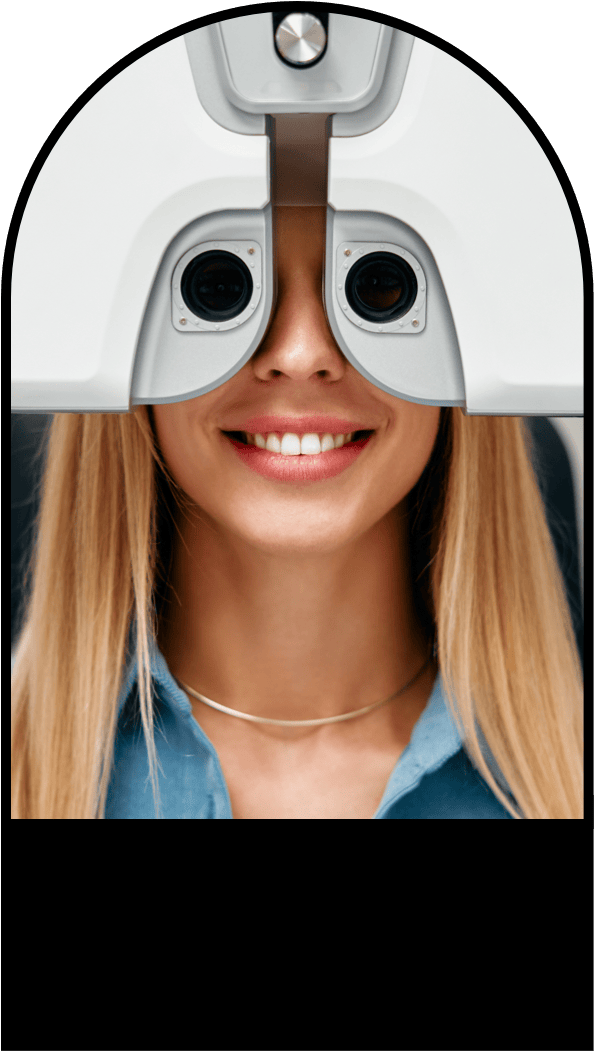
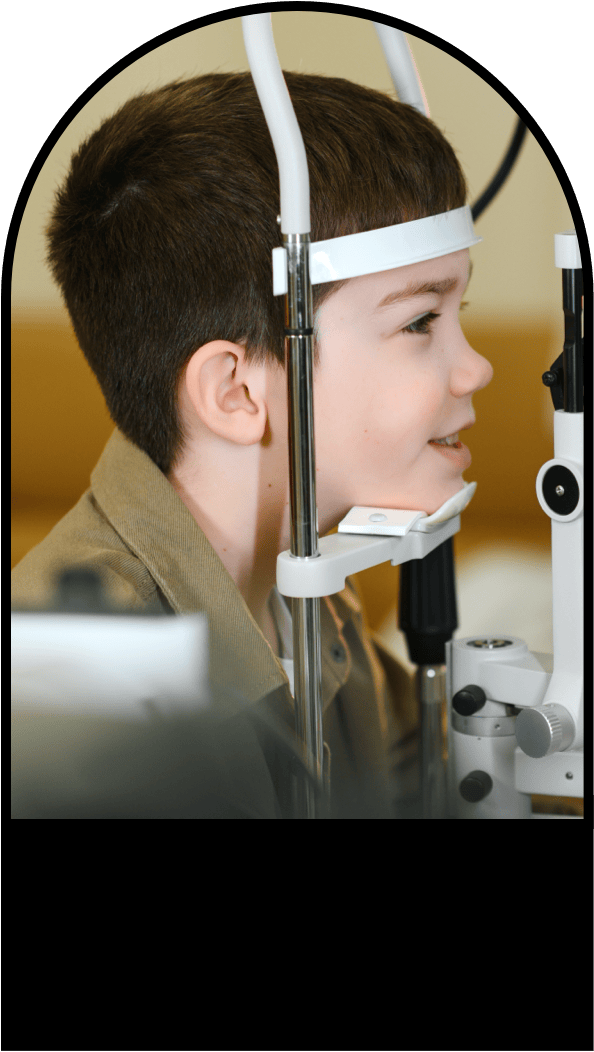
Arrange an exam if symptoms recur despite workday changes, if you develop headaches or double vision, or if blur remains after stepping away from the screen. A clinician can check the prescription, binocular vision, eyelids, and corneal surface. Sudden vision loss, a painful red eye, or severe light sensitivity calls for prompt care instead of routine screen advice.
At Eye Sea Davis Optometry, we see students, office workers, and people who work outdoors before returning to screens at night. A good plan should fit the way you actually use your eyes: the device distance, hours, contacts, and whether dry eye is present. That is more useful than buying another pair of generic computer glasses and hoping the burning stops.
Set up your desk for your eyes
Place the screen so you can read without leaning forward. Increase font size before moving your face closer, and compare the height of the screen with where you naturally look through your glasses. If you wear progressives and lift your chin to find the clear zone, tell your optician; an adjustment or task-specific lens may help. Check whether the office vent blows at eye level.
How often should I blink or break? There is no exact number that treats every person. Use calendar transitions, emails, or page breaks as reminders to look away and complete a few full blinks. If comfort improves on weekends, note whether your weekday contact wear, screen distance, or airflow changes.
Are headaches always eye strain? No. Headaches have many causes. An eye exam can assess prescription and binocular vision, while persistent or severe headaches warrant discussion with your medical clinician. New neurological symptoms require urgent medical evaluation.
Bring a description of the problem rather than only the phrase “screen fatigue.” Knowing whether your eyes burn, your words double, or your vision takes time to refocus points to different examinations.