
A small, longstanding floater that drifts across your vision may be familiar. A sudden shower of new floaters, especially with flashes or a shadow, is a different situation. The gel inside the eye can pull away from the retina as we age. Sometimes that process causes a retinal tear, which needs prompt diagnosis to protect sight.
What do floaters and flashes look like?
Floaters may resemble specks, cobwebs, or strands that move when the eye moves. Flashes can look like brief streaks or sparks, often more noticeable in the dark. A shadow or curtain across part of the visual field is particularly concerning. Symptoms can occur in one eye while the other sees normally, so check each eye separately if you are unsure which is involved.
When should I seek care?
A sudden increase in floaters, new flashes, or a curtain or missing area of vision warrants urgent same-day evaluation. A curtain or sudden substantial vision loss is an emergency; go to an emergency eye service or emergency department if immediate eye care is unavailable. Do not wait to see whether the symptoms disappear. Even if the initial examination finds no tear, follow the clinician’s instructions about repeat evaluation and returning for new symptoms.
Who is at higher risk?
Retinal tears and detachment can happen to anyone, but high myopia, a previous tear or detachment, eye trauma, certain surgeries, and family history can increase concern. A history of cataract surgery is useful to mention. Migraine aura can produce visual effects too, but a new visual phenomenon should not be labeled migraine without considering other causes, particularly when it is limited to one eye.
What does the exam involve?
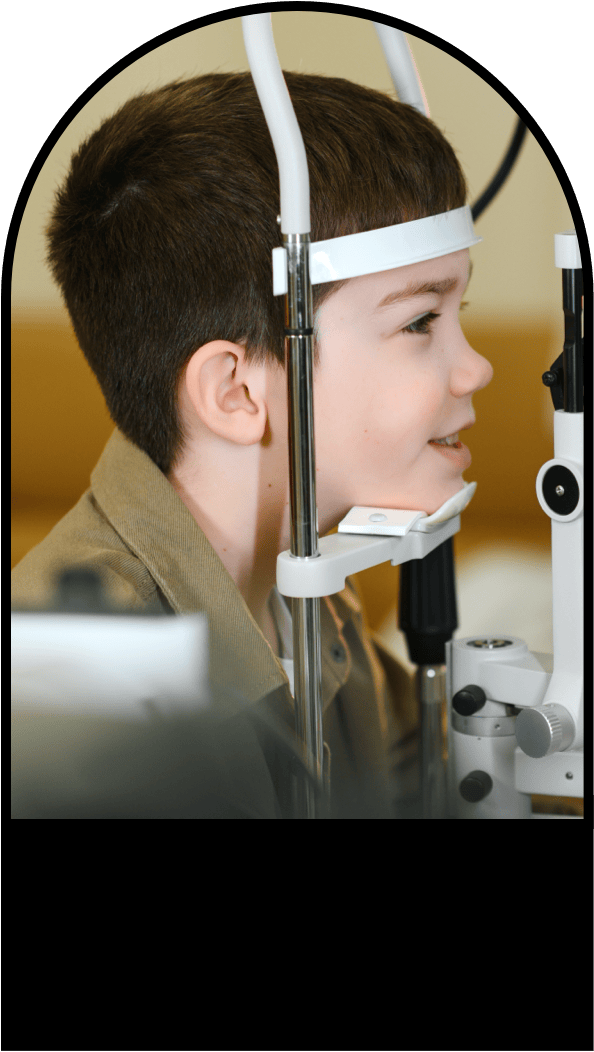
A dilated retinal examination lets the clinician inspect farther toward the peripheral retina. Additional techniques or imaging may be used, but a photograph alone cannot always rule out a peripheral tear. Dilation can blur near vision and cause light sensitivity for a few hours, so arrange transportation if you are uncomfortable driving afterward. Depending on findings, the optometrist may refer you promptly to a retina specialist.
What if there is no tear?
A common cause of flashes and floaters is posterior vitreous detachment without a retinal break. That can still require follow-up because a tear may be found later. Your doctor can explain the individual schedule and the exact symptoms that should bring you back sooner. A reassuring first visit is valuable, but it is not permission to ignore a new curtain or another burst of floaters.
Can eye drops make floaters go away?
Artificial tears can help surface dryness, but they do not remove floaters inside the eye. Online products that promise to dissolve floaters should not delay a retinal evaluation. The priority is to establish whether the retina is safe.
At Eye Sea Davis Optometry, tell our team clearly that the flashes or floaters are new when you call, so the urgency can be assessed. If immediate assessment cannot be arranged, seek urgent care elsewhere. The timing matters more than finding the most convenient appointment slot.
Questions after the examination
Ask whether the clinician saw a posterior vitreous detachment, a tear, or another explanation, and whether the peripheral retina was fully visualized. Ask for the exact return precautions in writing and whether a repeat exam is planned. If the view was limited, ask what additional evaluation is needed.
Can exercise cause a retinal tear? A new symptom deserves an examination regardless of what you were doing when it began. Avoid self-diagnosing based on exercise, coughing, or a busy day. Follow any activity advice given after the clinician sees your retina.
What if I have had floaters for years? Longstanding unchanged floaters are different from a sudden new pattern. Still report any change in number, size, flashes, or the field of vision. A high myope should be especially clear about what is new.
A quick online image search cannot tell you whether your retina has a tear. The important distinction requires looking inside the eye, often with dilation and peripheral examination.